


Nith Bridge planning row
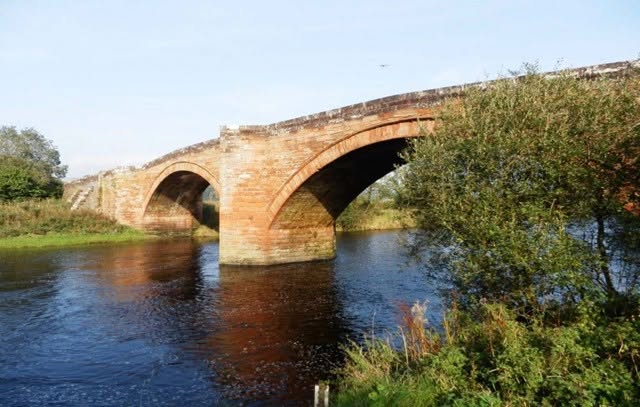


SAFETY improvements installed on a historic 18th-century bridge in Thornhill have sparked controversy.
Work was already carried out on Nith Bridge without the required consent being in place first – and now the KPT Development Trust has been forced to submit a late planning application to Dumfries and Galloway Council.
The works include a traffic light control system, a 1.4-metre-high guardrail, a retaining wall, signage and bollards. They form part of a new active travel route being created between Penpont and Thornhill — which have never previously been connected by a footpath or cycle path.
Until now, the only route between them was along the A702 road, which had no footway provision. The new route gives walkers and cyclists a safe way to travel between the two for the first time.
However, because Nith Bridge is a category A listed building, any work carried out on it requires listed building consent.
The bridge dates back to around 1774 and was further strengthened in the 1930s. It was given listed status in 1971.
Six objections have been lodged against the application, with some locals arguing the works are “insensitive and detrimental to the historic fabric of the bridge and its wider setting.”
Photo: DG Council
They also claim the materials used and workmanship carried out are “substandard and do not accord with drawings,” and that some of the elements installed are simply unnecessary.
However, planner Iona Brooke concludes that while the modern features — such as the railings and traffic lights — do cause “a level of harm” to the bridge’s appearance, this is outweighed by the safety and community benefits they provide.
Her report states the development “could be easily disassembled and potentially are reversible. Should any elements become redundant, the removal of such could therefore be carried out in the future without any permanent detriment to the fabric or character of the bridge.”
Historic Environment Scotland raised no objections.
Related News