

Reasons behind windfarm refusal revealed
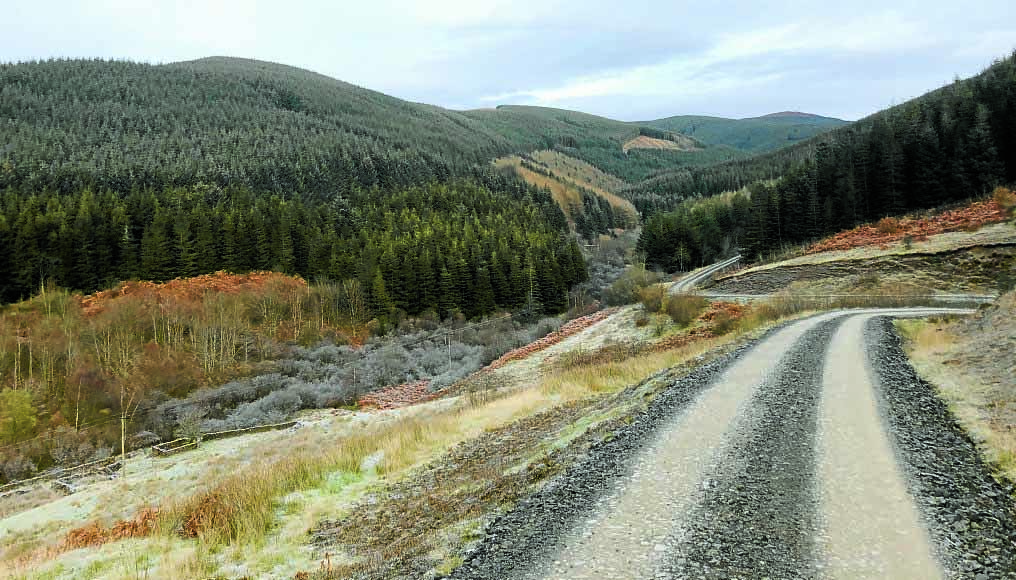


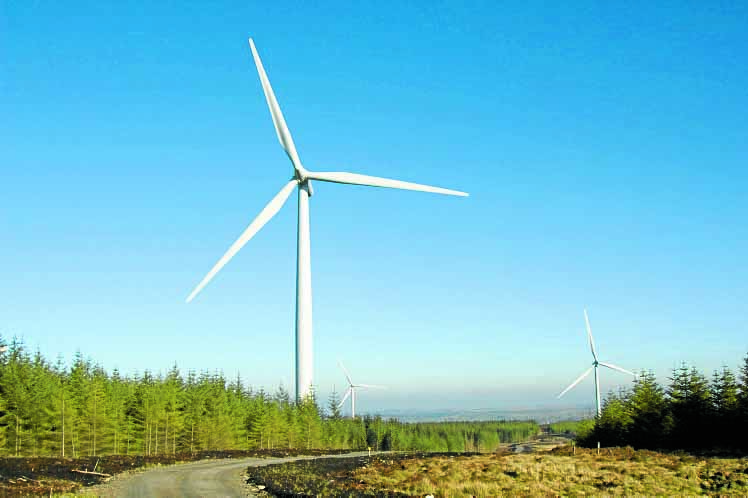
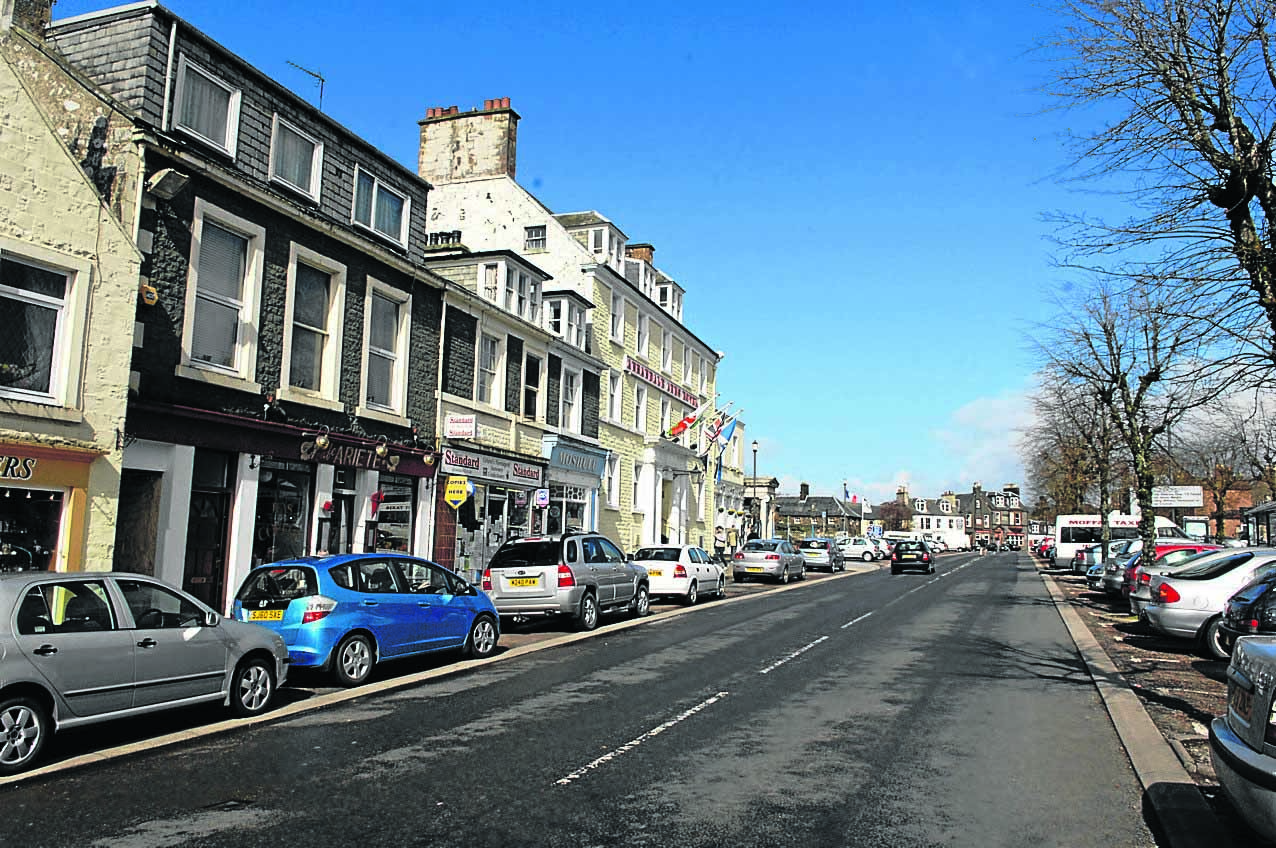
SCOTTISH ministers threw out a bid for a windfarm development near Moffat due to the “significant” negative impact it would have on the local landscape.
It was recently announced that the Scottish Government had rejected CWP Energy’s plans to install 60 wind turbines and a battery storage facility at Scoop Hill.
The final decision from Holyrood will be confirmed at next week’s planning committee of Dumfries and Galloway Council.
A report, due to be tabled at the meeting, reads: “In reaching their decision, the Scottish Ministers acknowledged that the proposed development would not have an impact on national landscape designations but that there would be significant landscape and visual effects on the Moffat Hills Regional Scenic Area, and these significant landscape and visual effects which would be widespread.
“In addition, landscape and visual impacts had not been sufficiently mitigated by design.
“The Scottish Ministers therefore concluded that the landscape and daytime visual impacts were not acceptable when the impacts were weighed against the benefits the proposed development would bring in terms of its potential socio-economic benefits and its contribution to renewable energy and climate change targets.”
CWP Energy originally submitted as a 75-turbine scheme in 2020 before reducing plans to 60 turbines and a battery storage facility.
The long drawn out planning application process, which included a Public Inquiry held in December 2024, also prompted the energy firm to reduce the tip heights of four turbines in the southern part of the scheme.
The rest would have ranged in ground to blade tip height from 180m to 250m – all higher than Blackpool Tower which stands 158m tall.
Rod Wood MBE, managing director of CWP Energy Ltd, who have spent years working to create the Scoop Hill Community Windfarm said: “It’s a disappointment that a £1 billion investment from a UK business has been turned down without any tangible engagement from both governments.
“Great claims are made about creating a pro-growth environment and encouraging investment in infrastructure to reduce bills for consumers.
“Post-Brexit, investors had hoped for a more pro-business and pro-growth environment that creates jobs and a future. This refusal is a case in point that blockers remain at the heart of government, and nothing’s changed.”
Related News