


Sarah shares her secondary breast cancer story
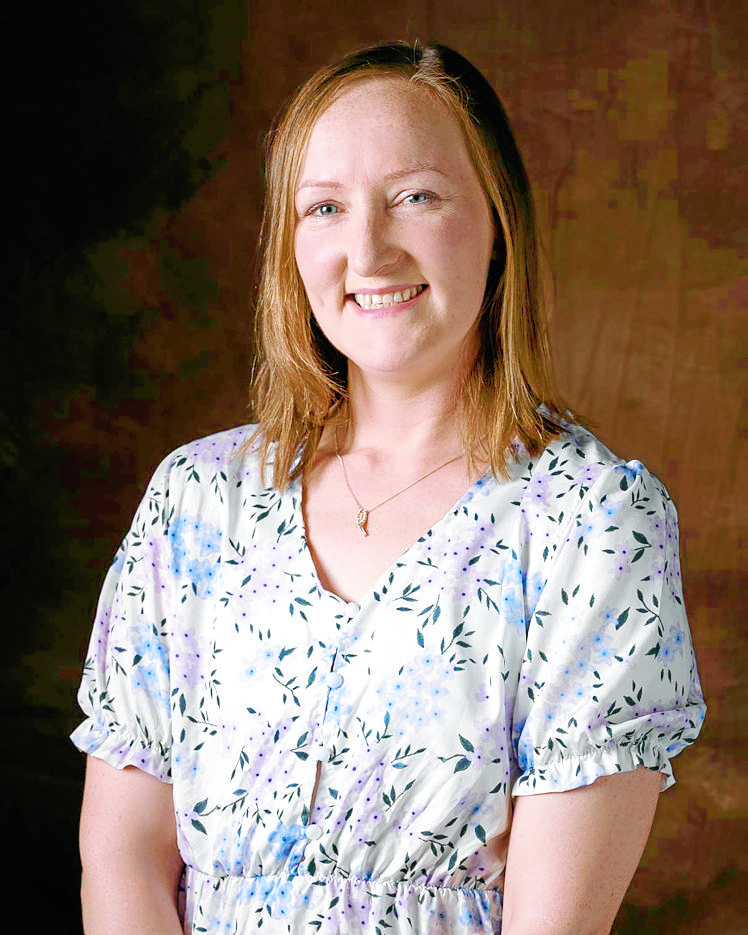


A DUMFRIES mum who has secondary breast cancer, hopes her experiences will raise awareness of the condition.
This secondary form of cancer spreads beyond the breast to other parts of the body, often bringing immense emotional, physical and mental toll to patients and their families, and is the leading cause of death for women under 60 in the UK.
Sarah McDiarmid, 42, was diagnosed with secondary (metastatic) breast cancer in February 2023 after feeling pins and needles in her right arm which got progressively worse.
She said: “I had never even heard of secondary (metastatic) breast cancer until I received a phone call almost two and a half years ago telling me I had it.
“After 16 months of treatment for primary breast cancer, I thought I was cured. Nobody had ever told me that cancer could spread, return in other places, or what symptoms to look out for. That phone call changed everything.
“As time went on, I was reassured to learn that my cancer had only spread to one location, in my spine. My oncologist was confident that there were treatment options available, and that they should be able to keep it stable to allow me to live a fairly normal life for a number of years.
“When my future was suddenly in doubt, and I could no longer assume that I would see my children grow up, reach retirement age and have plenty more years to enjoy and make memories, I made a conscious decision to find the joy in every day.
“I have such an intense sense of perspective and I am so grateful for every day that I get to be here, to spend with people I love and to enjoy my life.”
As October is Breast Cancer Awareness month, Sarah wants to share her story.
She added: “I am proud to raise awareness of secondary (metastatic) breast cancer and how it can look so different for so many patients. I look well on the surface and I’m grateful to be able to continue working just now, so it can be hard for people to understand that I have stage 4, incurable cancer.
“I am immensely grateful for the research and funding that have gone into creating new and kinder treatments, which are allowing more patients to live better and longer with secondary breast cancer.
“My hope is that this continues and eventually all stage 4 patients are able to live well despite their cancer.”
Related News