


Rethink stigma and stereotypes
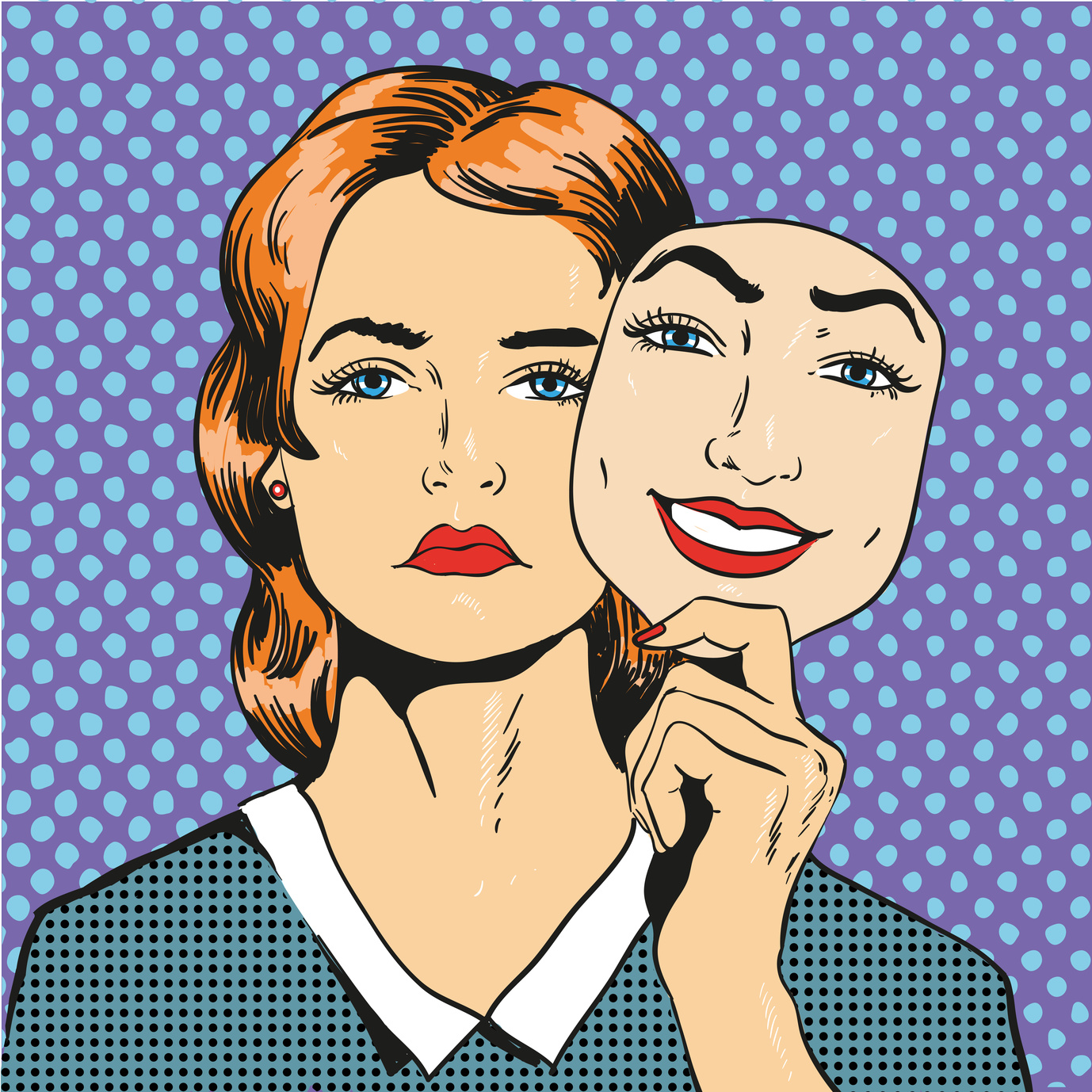


A CHARITY is calling on people in Dumfries and Galloway to rethink mental health stereotypes . In the Scottish Mental Illness Stigma Study, from See Me and the Mental Health Foundation, 92 per cent of respondents reported facing some frequency of stigma and discrimination from those closest to them in the previous 12 months. Now See Me, the national programme to end mental health stigma and discrimination, is calling on residents across Dumfries and Galloway to rethink their attitudes and show greater support and understanding for those of us who experience poor mental health. They point out that public stigma continues to be one of the key barriers people experience when it comes to speaking up and seeking help with their mental health. Volunteer Tommy Kelly says that stigma from those closest to him has had a major impact on his life and his eating disorder. He said: “To this day, some still don’t speak to me because I speak out in the media about mental health. They say I’m trying to portray myself as a victim. “At first, I really struggled. When you’re going through these problems, you hate yourself enough. So, when somebody close to you says something like that, it made me believe that they must be right. “It really did take me a long time to look at myself and say, ‘Well, is that actually me?’” When it comes to advising family and friends of someone who lives with a mental health condition, Tommy said listening and being non-judgmental – and validating someone’s feelings – can go a long way. “You don’t have to give them answers. The important thing is supporting them and letting them know that you’re going to be there for them, you’re not going to judge them.” See Me director Wendy Halliday added: “Beyond specialist services, we should be able to rely on those closest to us for support and understanding. “It’s on all of us to act on mental health stigma and discrimination. If someone close to you has experienced poor mental health or a mental illness, it’s important to avoid judgement, to understand what it feels like and to understand what you can do to support.”
Related News