

New water treatment works gets green light


SCOTTISH Water has got the go-ahead to build a new water treatment plant in Boreland following water quality issues affecting thousands of householders.
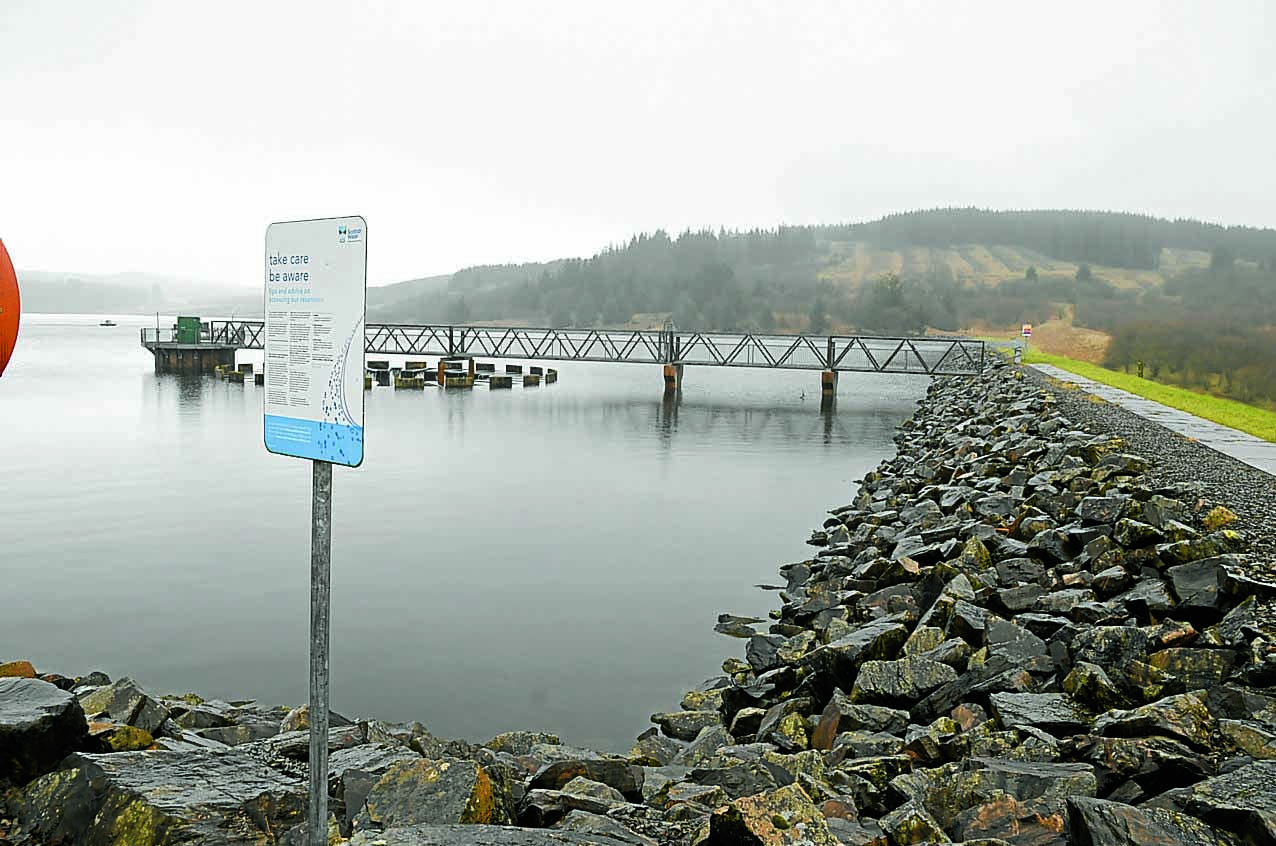
It will be constructed adjacent to the current Black Esk Water Treatment Works building, which is now 38 years old.
This water plant serves 40,000 customers every year, but the ageing building has led to contamination and disinfectant issues.
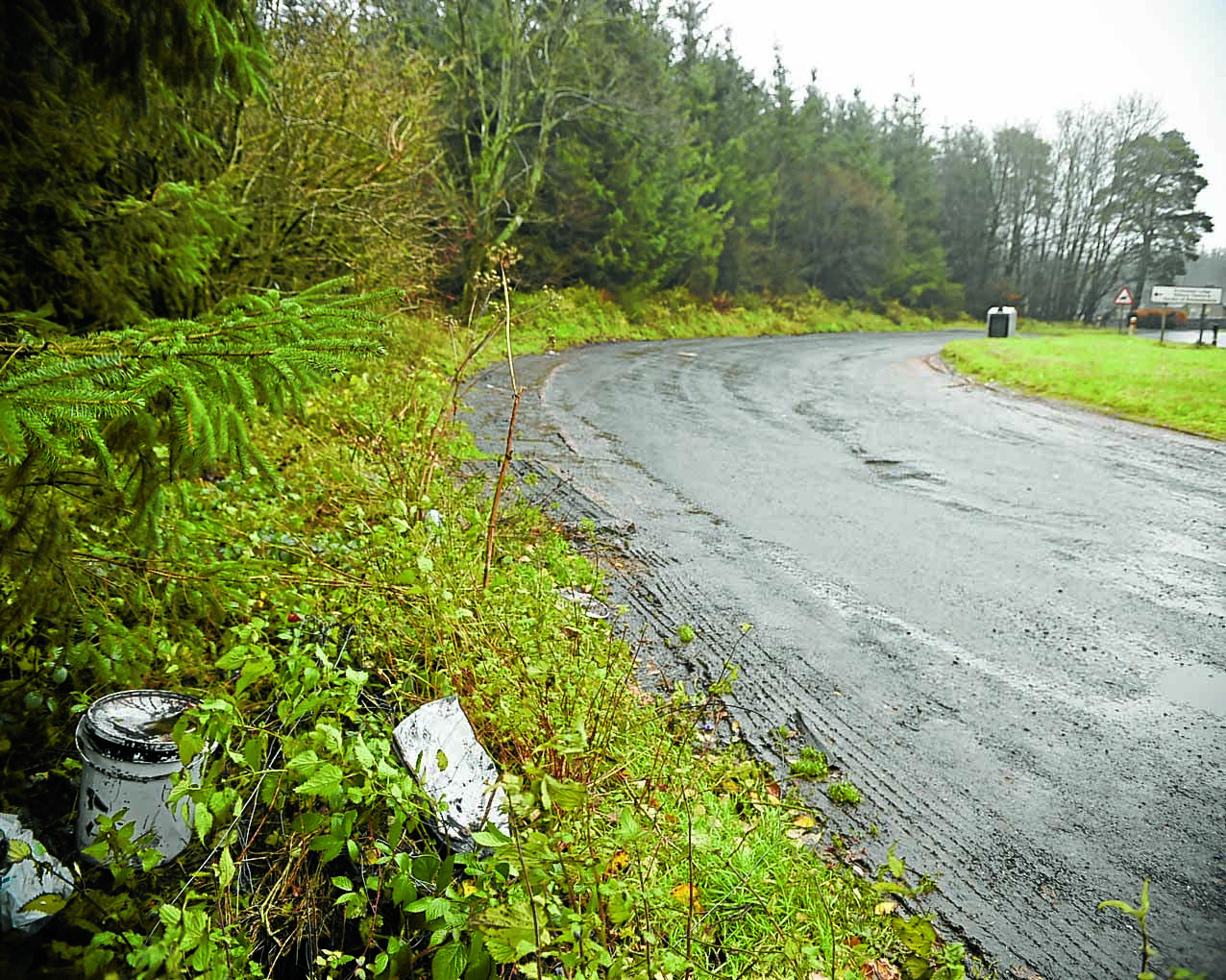
With the Drinking Water Quality Regulator (DWQR) monitoring the situation, Scottish Water submitted a planning application to Dumfries and Galloway Council to extend their operation in a felled woodland area.
The development, which includes a water treatment building, three-metre high security fencing, a workshop and substation, attracted three objections from residents arguing that the “disruptive development may not enhance water quality”, and that Scottish Water has previously failed to comply with planning requirements.
However, Karla Mann, from Scottish Water, attended the meeting, saying: “Black Esk Water Treatment Works has been operational since 1987 and can supply over 21 million litres of water to around 40,000 customers across several towns.
“However, challenges have naturally emerged due to the ageing infrastructure causing water quality issues.
“Due to past contamination and disinfection problems exceeding regulatory limits at Black Esk, this has led to heightened scrutiny by the DWQR and Scottish Water has committed to improve the site’s water quality. Therefore, the proposed upgrades to Black Esk are necessary to fulfil these commitments and legal requirements.
“Simply refurbishing the existing water treatment works would not adequately address the water quality challenges, nor would it be possible to keep it operational during these upgrades.
“Consequently, a new site adjacent to the current facility was selected to integrate new treatment assets while leveraging the raw water source and existing infrastructure.
“The chosen land was previously a commercial forest and was mature for felling, making it a practical choice for development with minimal additional environmental disruption.”
Council case officer Graham Smith recommended approval, saying: “The development is big and would make an incursion into part of the countryside, but I consider the design integrates well into local context.
“It should be noted also that the applicant is committed to providing a further two hectares of native broadleaf woodland at Black Esk by the end of 2026.”
Councillors approved the proposals.
Related News