

Mixed reaction to new Gaelic welcome signs
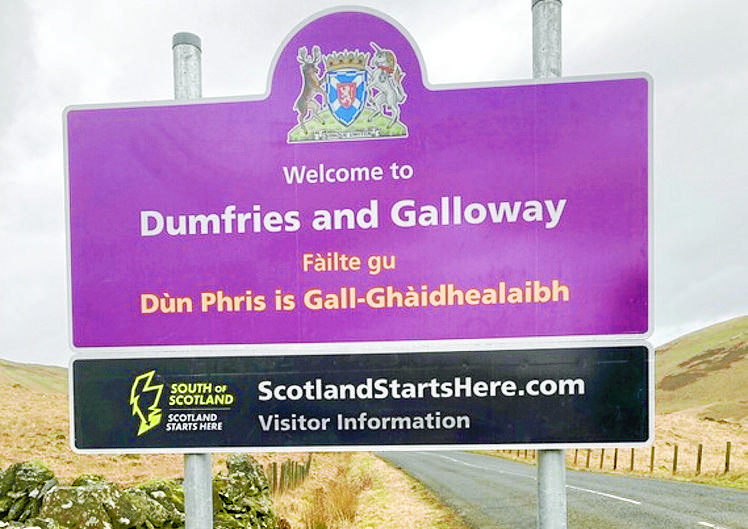


NEW ‘Welcome to Dumfries and Galloway’ signs installed across the region have come under fire. The refreshed road signs feature Gaelic wording and 23 have been put in place so far - although the council has refused to reveal the cost. They will eventually be sited at all the entry points to the region. But the move has been widely criticised by members of the public as a ‘waste of money’ and over 260 comments were left on the local authority’s Facebook page about the new signs. Writing on there, Graham Kirk said: “Should have mind the potholes painted on them as well.” Paul Heatlie pointed out the lack of Gaelic speakers locally and said: “Gaelic is not part of the D&G school curriculum.” Mark Gordon added: “Might have been saying “Welcome to the moon” given the number of potholes!” Vicki McLaughlan said: Maybe they should include “beware of potholes”.” And Richard Pattinson added: “Getting rid of the eyesore abandoned buildings dotted around the region would be a much nicer welcoming to the place.” However, officials stress they replace older signage that had become damaged or fallen into disrepair. They say the investment forms part of the council’s ongoing asset renewal work and has been developed in line with the Dumfries and Galloway Council Gaelic Language Plan and with the help of the Gàidhlig Dumgal group. Commenting further, a council spokesperson said: “Under the Gaelic Language (Scotland) Act 2005, local authorities are required to have a Gaelic Language Plan. This includes actions to increase the visibility and use of Gaelic, support learning and promote the language in everyday life. “Including Gaelic on public signage is one of the agreed actions within the council’s signage renewal programme. Importantly, signs are only updated when they are due for normal, scheduled replacement, helping to ensure this work is carried out in a cost-effective way. “To date, bilingual signage has been introduced at 23 locations across Dumfries and Galloway. These are located as follows: two in the Rhins; three in Wigtown; one in Stewartry; four in Nithsdale; and 15 in Annandale and Eskdale. “This ongoing programme helps raise the profile of Gaelic in a practical, proportionate way and supports our wider commitment to celebrating the region’s linguistic and cultural heritage.”
Related News