

Life after a stroke
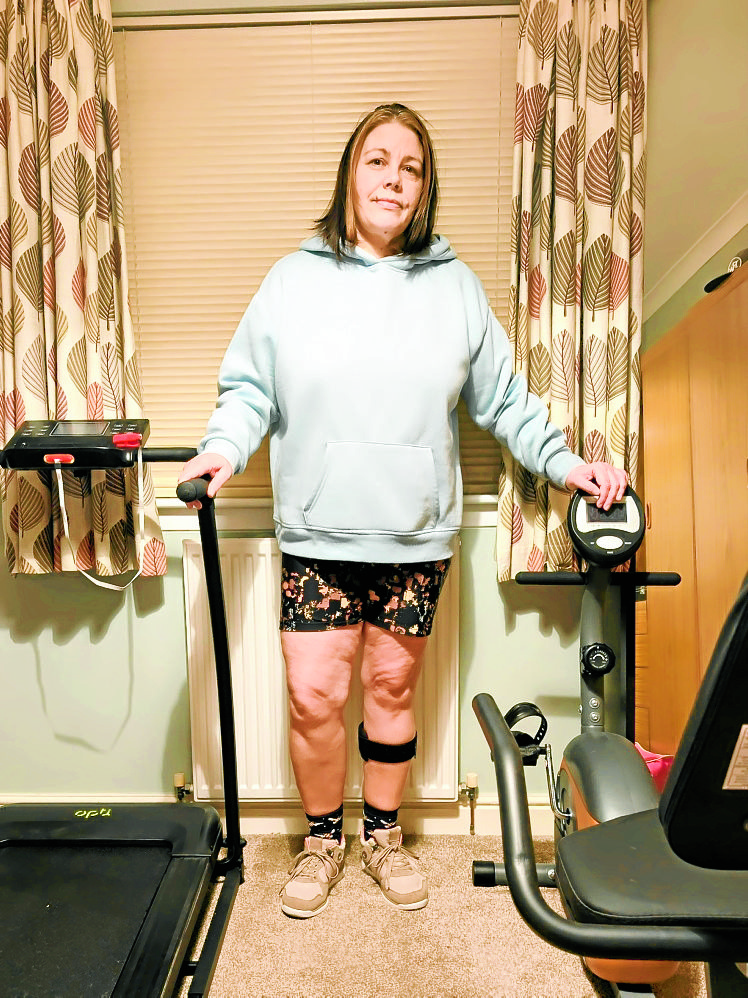


AS a comparatively recent stroke survivor, I feel it’s important to share my own ‘stroke’ experience.
The aim is increasing not only public awareness, but to demonstrate the need for more pro-activity from health services and stroke support groups.
From my ‘event’ and its symptoms, diagnosis and treatments, to my ongoing recovery and many effects on my life, I hope that this will help other sufferers.
There are many commonly held, mostly outdated, perceptions around strokes and those that experience them: sufferers are elderly, smokers and/ or drinkers who tend to live sedentary lifestyles.
While these factors certainly increase the likelihood of strokes, they also happen to those not ‘traditionally’ at risk.
I am a 55-year-old woman who lives in Gretna. A retired public servant, I’m a non-smoker who tried to exercise regularly.
At about 1.30 am in July 2024, I awoke, reaching for some water at my bedside. I immediately felt dizzy, and fell back, with continuing vertigo symptoms.
Knowing something was wrong, I called 999, and as I struggled to the door to unlock it for the paramedics, I could sense my left leg felt heavy and was ‘kicking’ out.
The ambulance arrived within 30 minutes, and by then, having gone back to bed, my arms and legs were flailing uncontrollably.
The crew initially thought that I was experiencing a panic attack, but I knew that this was different.
As they attempted to take my blood pressure and perform an ECG, I immediately collapsed onto my left hand side, and despite my protestations that I couldn’t sit up, they continued, and I fell over again a total of three times.
Certain now that something was seriously wrong, I told the responders that I knew it was a stroke, even though these weren’t ‘normal’ symptoms.
Though still not convinced, they assessed me using ‘F.A.S.T.’ ( Face, Arms, Speech, Time) stroke protocol promoted by Scottish health authorities and charities.
Called at work, my husband returned home, and could see the lack of movement on the left side of my face, albeit subtle.
I was taken to DGRI’s emergency department and underwent an emergency thrombolysis (stroke treatment).
This saved my life, restoring the blood flow to my brain; in a stroke, time is critical and every minute of delay in treatment could lead to irreversible brain damage.
I spent four weeks in hospital receiving physiotherapy, which was difficult due to fatigue and left-sided weakness.
After discharge, my rehabilitation continued as a weekly outpatient at Annan Hospital, and in addition to NHS therapies, I realised that any further recovery would be in my own hands. So I have focussed on this over the past 15 months with all my heart.
While I have made some physical recoveries, I continue with daily physio at home and attend sessions with a private neuro-physiotherapist in Glasgow, a service which is unavailable in this region on the NHS.
Aside from a stroke’s physical issues, an unforeseen, but major, challenge has been to my mental health. Strokes bring feelings of grief, loss and isolation, but as with the ‘physical’, I tackle the ‘mental’ with a positive outlook and equal focus.
I found invaluable support through ‘Legs’, a London-based charity providing live, online exercise classes weekly. Limited numbers enable personal connections, improving mental health by providing peer-communications and support, reducing isolation.
I also attend a Carlisle group, Different Strokes.
While there may be more ‘local’ groups, I’ve had difficulty sourcing information on them, demonstrating the need for greater awareness for sufferers, especially those with limited or no access to technology.
I would like to hear from those who would benefit from a local, ‘in-person’ wellness group.
Everyone’s stroke is unique, but survivors share one thing in common; we’re still here and fighting.
My journey remains a learning experience: physical and emotional lows, stretched resources and inconsistent training, misperceptions, and the sheer hard work and pain needed to regain a wee bit of normality.
However, I’ve also found connections, kindness, empathy, hope and many new personal strengths and skills.
You don’t have to feel alone, connect with me on YouTube: @brendaB-strokesurvivor
Related News