

Give Gaelic a shot at themed events
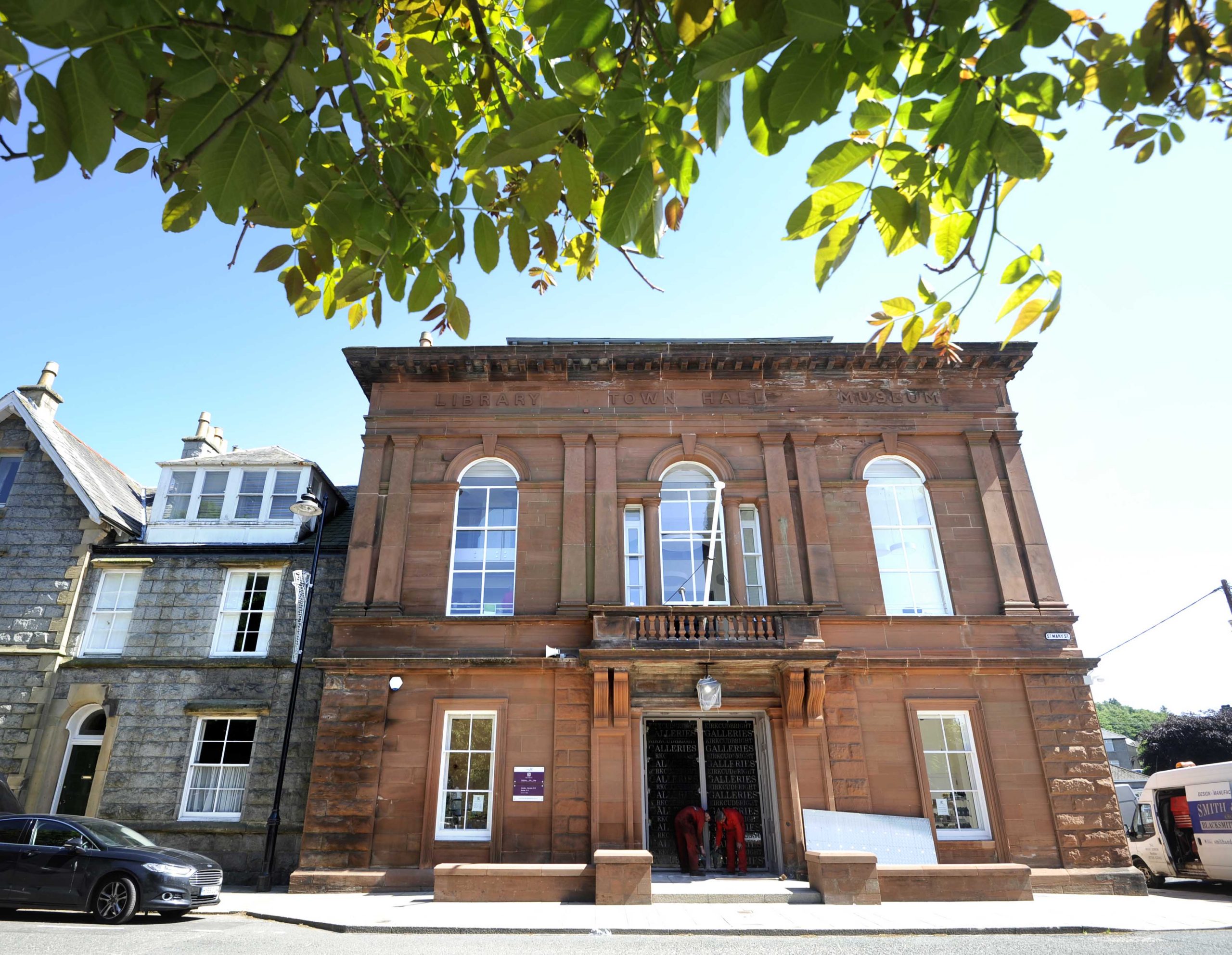


ALL things Gaelic will be celebrated across Dumfries and Galloway next week. The region will be marking World Gaelic Week – Seachdain na Gàidhlig – which runs from 23 February to 1 March, in a variety of ways. The organisers hope communities locally will come together to celebrate Gaelic heritage and culture, and to help keep the language visible and heard in everyday life. The programme includes a free talk on Saturday 28 February at Kirkcudbright Galleries, above, titled ‘Galloway Gaelic and Manx Gaelg’, similarities and differences. It will be delivered by Robby Ó Maolalaigh, Professor of Gaelic at the University of Glasgow, supported by Michael Ansell of Gàidhlig DumGal, and will explore the historical and linguistic connections between Gaelic in Galloway and Manx Gaelg. That night, a Gaelic Family Ceilidh will take place at Locharbriggs Community Centre with music by Shore Road Ceilidh Band, Gaelic song group Gabh Òran and fiddlers from Wallace Hall Academy. On Sunday 1 March, Thig is Feuch! (Come and Try!), a free, drop-in family afternoon, will run at Stranraer Millennium Centre, featuring Gaelic-themed activities, music and ceilidh dancing.
Meanwhile, a new pilot Gaelic and Scots parent and toddler group, Coorie intae Ceòl, will be launched. It will offer songs and stories on Tuesday mornings at The Bridge in Dumfries. The Gàidhlig DumGal group notes that the region has deep Gaelic connections, reflected in its place-names, culture and local history. Chair Eilidh Milroy said: “Although Dumfries and Galloway’s spoken Gaelic is long gone, it has left a substantial imprint on our landscape through place-names, from the names of hills such as Cairnsmore – Càrnas Mòr ‘big cairn place’, to the names of larger settlements such as Dumfries – Dùn Phris, ‘fort (amid) thickets’. “So, although we do not have Gaelic as a community language in the region today, it has influenced the places we live and the way we speak.”
Related News