


Frailty unit making a difference at hospital
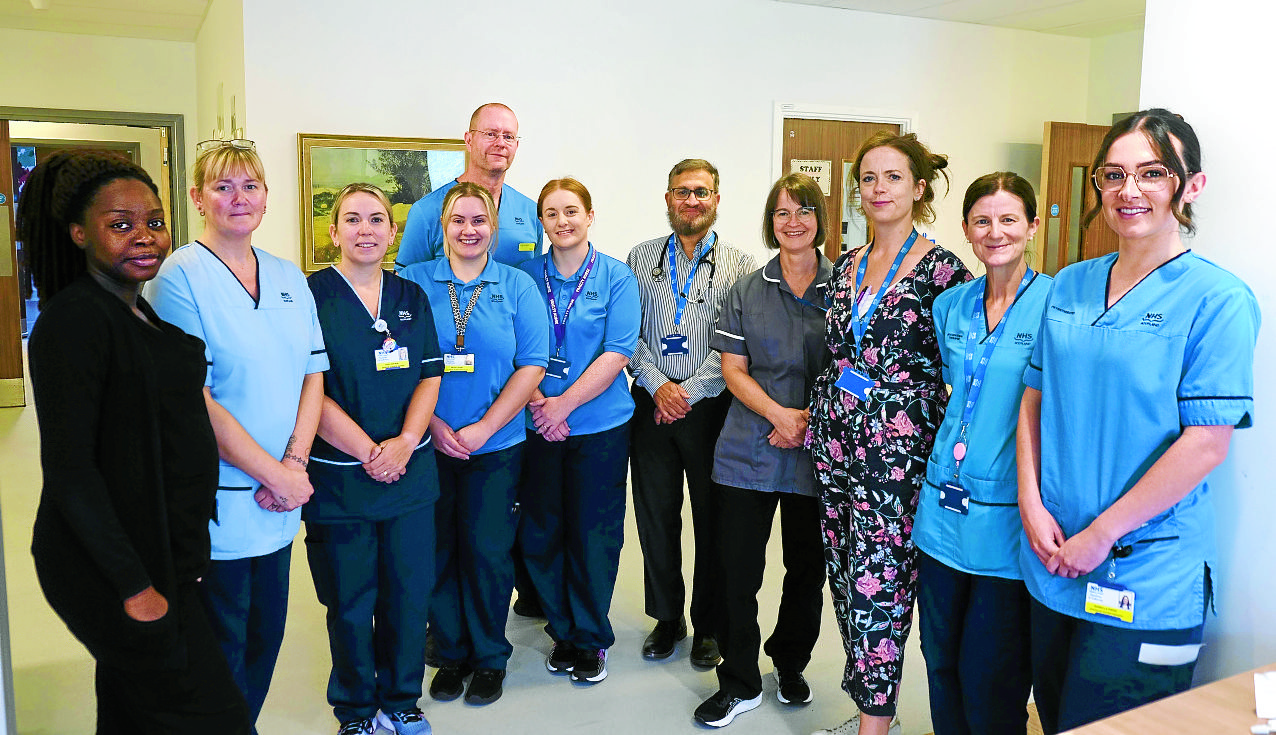


A NEW specialist unit at Dumfries and Galloway Royal Infirmary (DGRI) is is already showing positive results just a few months into operation.
The Acute Frailty Unit was introduced in response to the increasing needs of the region’s ageing population and is designed to provide rapid, person-centred care to older adults with frailty.
It has helped reduce hospital stays, improved outcomes, prevented readmissions, and eased pressures on other parts of the hospital.
Since opening in April, 166 patients have been admitted to the unit, with 132 returning home directly – and with an average length of stay of just 3.4 days. That’s a significant improvement from the typical 17.5 day stay previously seen among older patients with frailty.
Consultant geriatrician Dr Amy Conley said: “We knew we needed to take a new approach.
“Older patients often benefit from early, focused treatment delivered by a team who understand the complexities of frailty. Our goal is not just to treat illness but to support wellbeing and independence.”
The Frailty Unit operates with eight beds. Patients are identified on arrival at DGRI by frailty clinical nurse specialists led by Drew Crooks and moved to the unit. At this point, their care is led by an experienced multidisciplinary team made up of specialist nurses, allied health professionals, pharmacy, doctors and the wider Ward D7 team.
The ward’s senior charge nurse Keri Van-Nuil says the impact has been noticeable: “We’re seeing patients regain function more quickly and return home with more confidence. The focus on realistic, holistic care has been really powerful for both patients and staff.”
As well as improving outcomes for individuals, the unit is helping to reduce pressure on hospital beds and the Emergency Department – and is playing a key role in addressing delayed discharges.
Dumfries and Galloway Health and Social Care Partnership interim chief officer Nicole Hamlet added: “This work is making a real and measurable difference.
“By reducing unnecessary time in hospital, we’re helping people get home or to a homely setting safely and sooner. It also frees up vital capacity in the hospital, which helps us deliver better care across the board.”
Related News