


Damning report on condition of homes
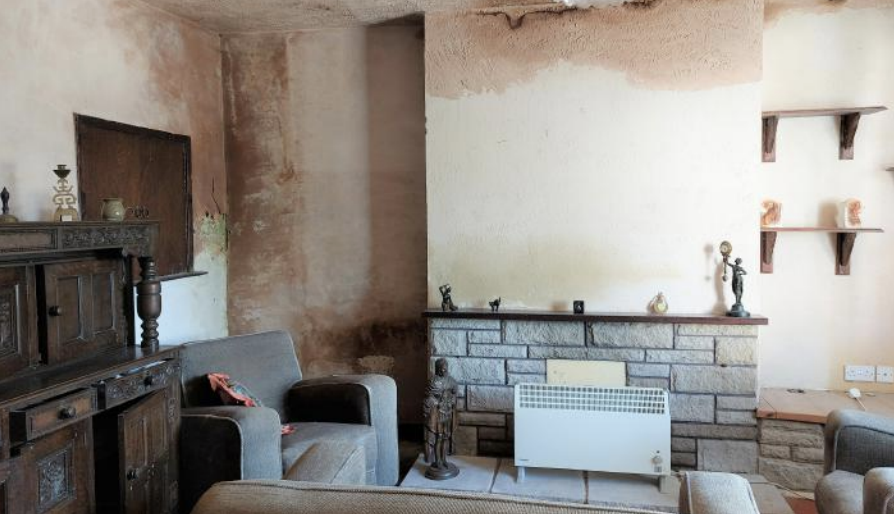


THOUSANDS of homes in Dumfries and Galloway are in a serious state of disrepair, a damning new report has revealed.
Nearly a third (31 percent) of privately rented homes in Dumfries and Galloway have “serious property condition issues” – and many are riddled with dampness.
Meanwhile, 16 percent of houses throughout the region have major condition problems.
A housing crisis was declared in Dumfries and Galloway last year primarily due to a severe shortage of homes and long homelessness list.
But Dumfries and Galloway Council’s Local Housing Strategy document for 2025-2030 has highlighted worrying issues with crumbling properties across the region.
The document states: “Levels of below tolerable standard (BTS) housing and urgent disrepair in Dumfries and Galloway are notably higher than the national average.
“Approximately four percent of homes in the region are considered to be BTS, compared to just two percent across Scotland.
“Additionally, 35 percent of homes show signs of urgent disrepair, exceeding the Scottish average of 28 percent.
“The prevalence of BTS housing is most acute in the private rented sector, where seven percent of properties fall below the standard, compared to four percent in the owner-occupied sector and none reported in social housing.
“Furthermore, around six percent of homes in Dumfries and Galloway are estimated to suffer from rising or penetrating damp – twice the national average of three percent.”
The local housing strategy document will be discussed by councillors at a special council meeting next Tuesday.
Plans are being formulated to tackle the housing emergency and deliver better homes across the region.
However, elected members will undoubtedly be alarmed by these findings, which council officers described as “ongoing challenges in housing quality, particularly within the private sector.”
A survey carried out with residents in 2023 found that significant dampness was the most prominent concern, affecting 16 percent of respondents.
Complaints surrounded issues with windows and boilers, with residents seeking greater energy efficiency and comfort.
The Scheme of Assistance (SoA) outlines how Dumfries and Galloway Council supports homeowners by providing advice, information, and financial assistance aimed at improving the standard and suitability of private housing.
However, in practice, the scheme has primarily been used to support property adaptations rather than general improvements to housing condition.
A ‘fabric first’ solution has been pinpointed, which prioritises improving the structure, such as its walls, roof, windows, and insulation, before turning to additional energy-saving technologies like solar panels, heat pumps, or other renewable systems.
The report states: “In Dumfries and Galloway, where many homes are older and less energy efficient, implementing fabric-first retrofits represents a critical opportunity.
“Retrofitting homes to improve insulation, draught proofing, and building fabric performance can dramatically reduce energy demand and emissions. While a fabric-first approach can lower both capital and operational costs over time, it often requires significant upfront investment without
immediate financial returns.
“This approach involves addressing key elements such as enhancing insulation, eliminating thermal bridging, and improving airtightness by ensuring walls, floors, and roofs meet minimum standards to reduce heat loss.”
Related News