

Dalbeattie brings back its Marches
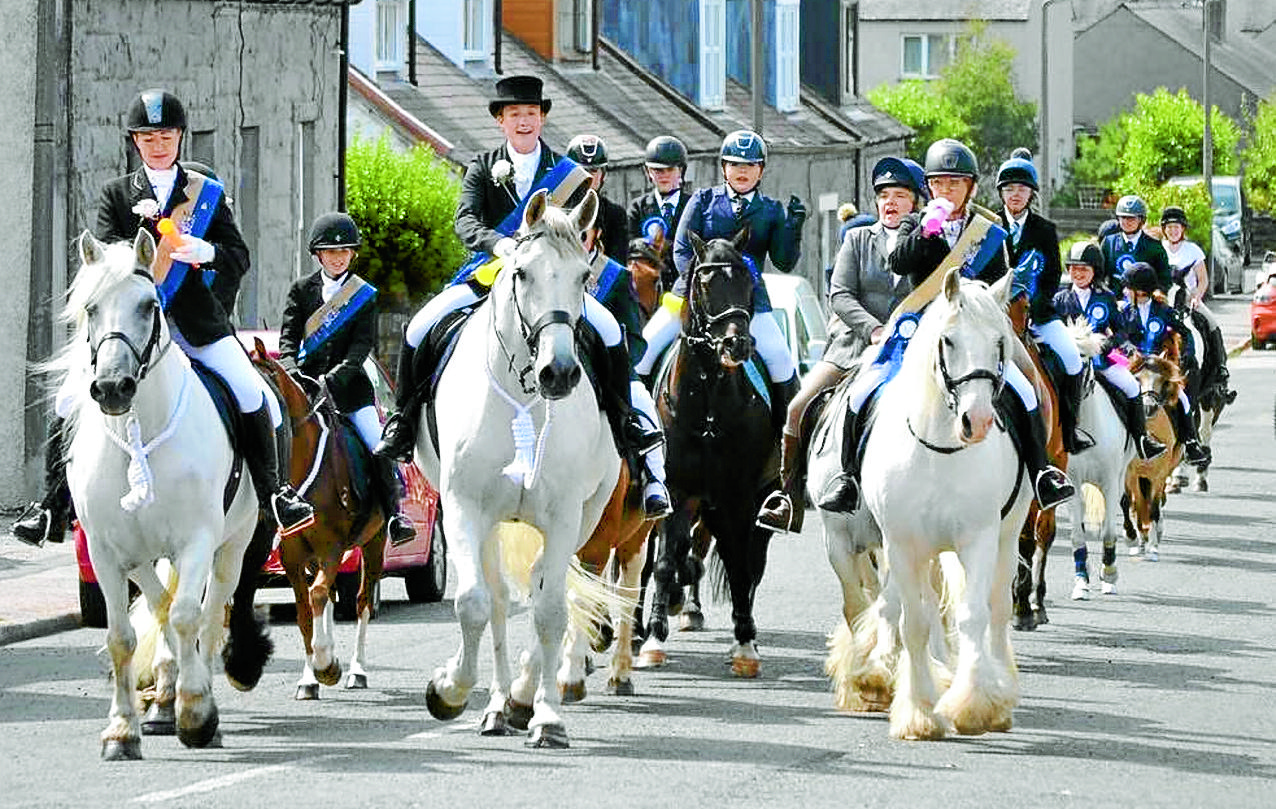


DALBEATTIE is reclaiming its heritage this summer with the return of the Riding of the Marches.
Its streets will echo with the sound of hooves once again in August.
Following the town’s rediscovery of its status as a former Scottish Burgh, the official Dalbeattie Riding of the Marches will take place on Sunday August 9, described as a landmark historical event.
It will be held a day after the traditional Civic Day parade, with riders departing from Biggars Mill at 2 pm that afternoon, heading past the ancestral landmarks of the Maxwell family, and through the granite-rich woods around the ‘granite town’.
The organisers are hoping the community will give it their full support and chairperson Hayley West said: “This isn’t just a horse ride; it is a declaration of who we are.
“We are tracing the footsteps of the quarrymen, the traders, and the families who made Dalbeattie. We want every resident to feel that pride. Whether you are on horseback or cheering from the pavements, you are part of this history.”
She explained that although the 2026 ride will be symbolic, it will still honour the same principle as the historic tradition: recognising the boundaries.
Hayley added: “Dalbeattie now proudly joins the ranks of other historic towns across the south of Scotland, such as Gatehouse of Fleet, Kirkcudbright, and Dumfries, who still maintain their marches celebrations today.
“The committee invites all the people of Dalbeattie and the surrounding areas to join us to help us celebrate our past while creating a new tradition for future generations.”
The tradition of the “Marches” dates back centuries and was once a practical duty for towns known as burghs. In Scotland, a burgh was granted specific rights of local government and trade; Dalbeattie achieved this status in 1858, when it became a Police Burgh. This allowed local commissioners to manage the town’s services and, crucially, to define the boundaries of the town’s authority.
To ensure these limits were respected, officials and townspeople would periodically travel around the entire boundary line on horseback.
Related News