

Crumbling roads concerns


FEARS about ‘crumbling’ B and U roads in Galloway have been flagged up.
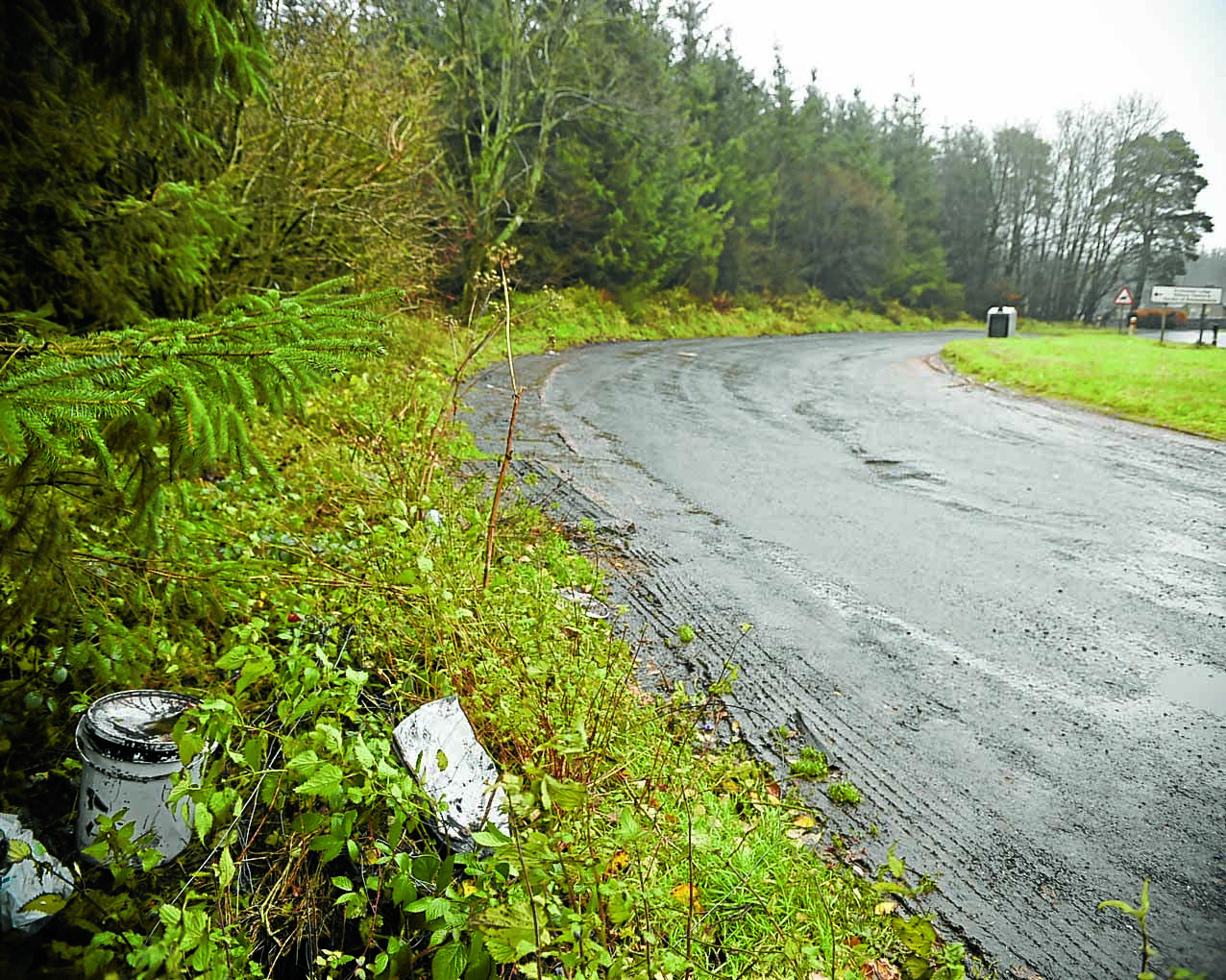
The verges and roadways of the U258s, U256s and U22s near Gatehouse of Fleet are said to have become ravaged with potholes and tramlines.
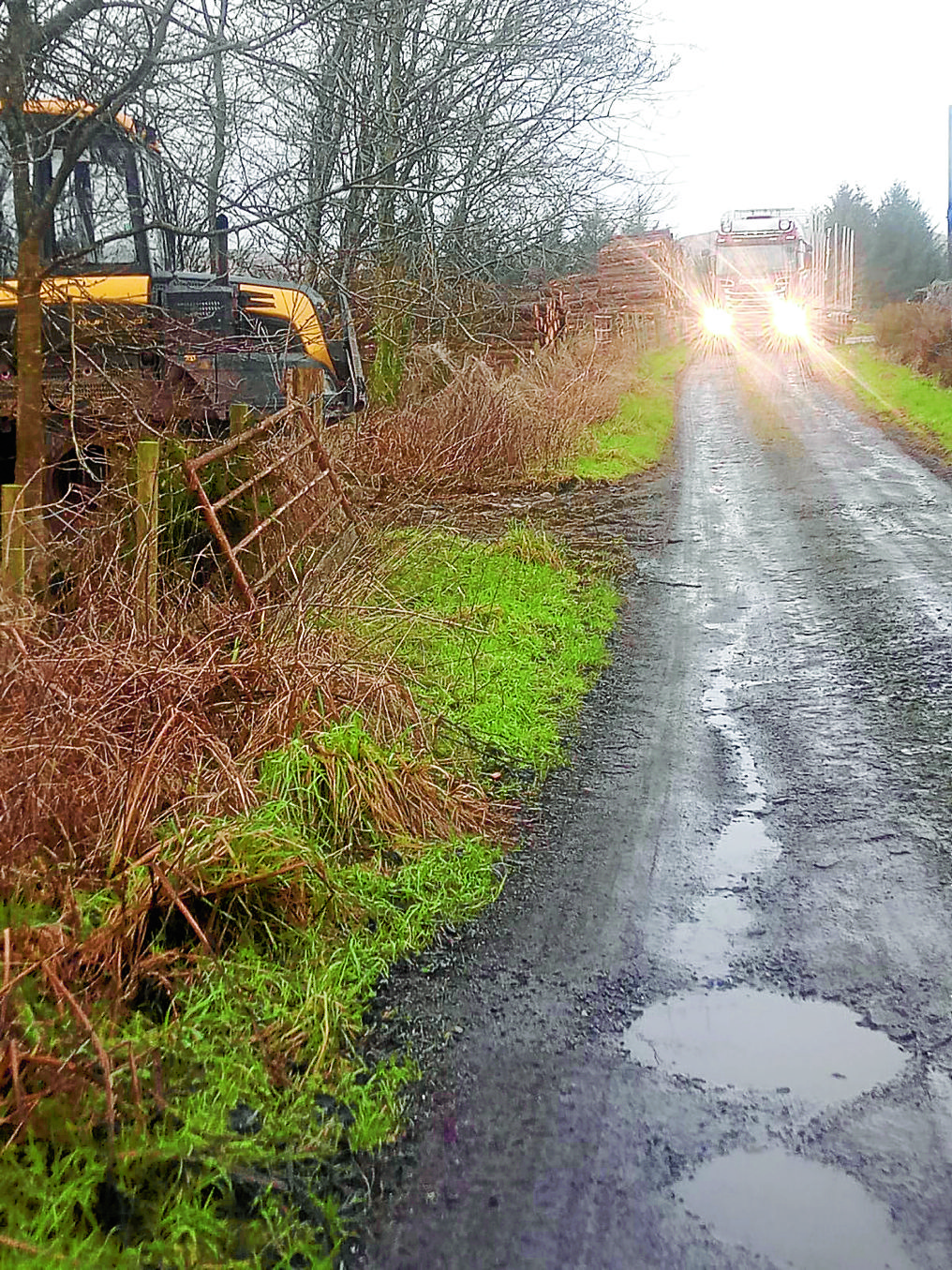
And farmer Vere Rowsell has laid the blame with the timber firms currently extracting lumber from the Cardoness estate using 44-tonne lorries.
He said: “The lorries run both day and night. As a result of which the substructures of the roads have been severely damaged, as have the running surfaces to the extent that the surface is ‘tram-lined’ so that water cannot get off the roads into the ditches.
“Furthermore, the verges have been destroyed, resulting in the road edges crumbling.
“The decks of both bridges appear to be damaged and were certainly never intended for 44-tonne lorries. The road joining the two roads has a clear council sign saying that there is a three-tonne weight limit.”
Vere has written to Dumfries and Galloway Council, urging them to take measures to enforce the weight limit and carry out repairs on the single track roads.
He added: “It is quite obvious that the current state of affairs cannot continue, or all the B and U roads in D and G will be destroyed, while at the same time any patching up costs are met by council taxpayers and no serious repair work is carried out at all.”
[caption id="attachment_67625" align="aligncenter" width="542"]
Responding to the concerns, a council spokesperson said they are monitoring the situation but haven’t come across any issues.
They added: “Dumfries and Galloway Council work closely with the forestry industry through the Timber Transport Forum, which operates a voluntary agreed routes system to manage timber movements on the local road network. The routes in question are classed as severely restricted, but operate on an “except for access” basis, allowing legitimate access for landowners, residents, agriculture and forestry where required. There is no legal requirement for consultation on timber haulage, however compliance with the voluntary agreement is generally very high.
“A Timber Transport Plan was agreed through the felling consultation process, limiting movements to 3–4 loads per day and requiring engagement with local residents, which was undertaken by the estate. Haulage has generally avoided peak times, with only isolated exceptions due to unforeseen circumstances. The council cannot legally prevent access for timber extraction, which is an important rural industry supporting local employment.
“The roads and bridges in the area have been assessed and there are no structural safety concerns; all structures meet the required 44-tonne standard. Any necessary road maintenance is carried out under the council’s statutory duties, taking into account a range of contributing factors including prolonged wet weather and general rural traffic.
“The council continues to work with industry partners to minimise disruption, address any poor practice, and protect residents and communities while supporting the sustainable operation of forestry across the region.”
Related News