

Burns scholar joins historic home campaign
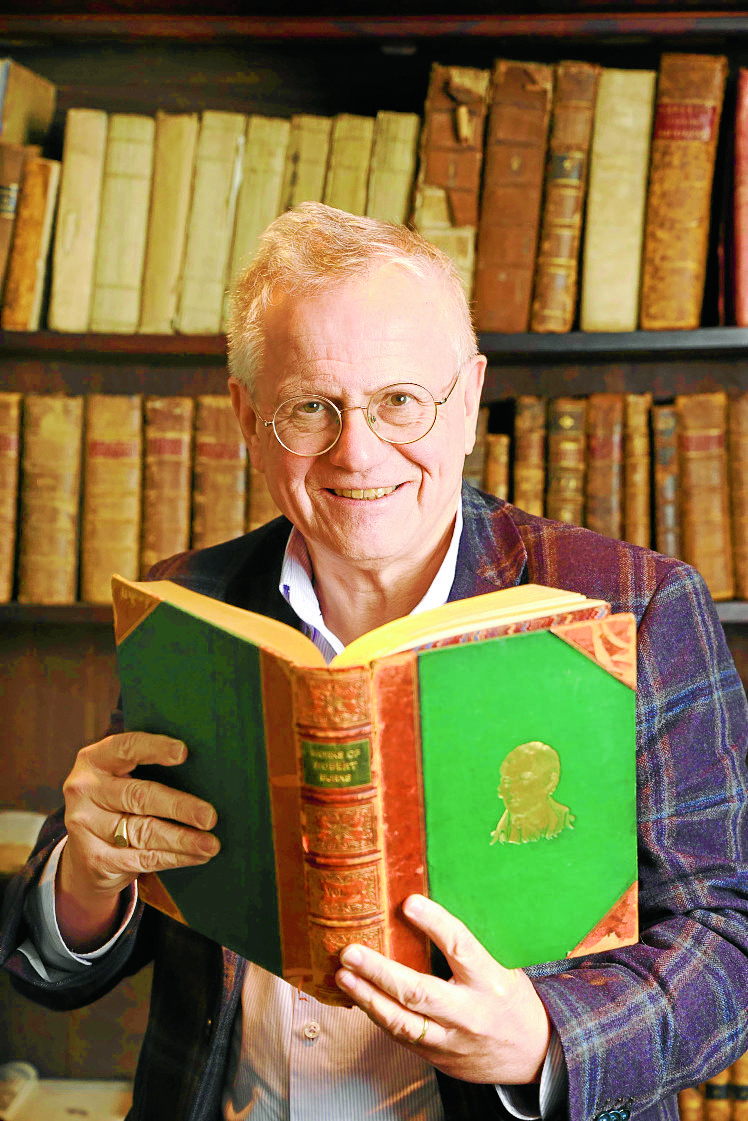


A LEADING Burns scholar has joined campaign to save Ellisland. Professor Murray Pittock, of the University of Glasgow, is now an ambassador for the farm that Burns built, joining the on-going 'Saving the Home of Auld Lang Syne campaign'. The author of the groundbreaking Robert Burns in the Scottish Economy report, Professor Pittock brings deep expertise on Burns's cultural and economic significance, revealing that Robert Burns contributes over £200 million annually to Scotland's economy through tourism, festivals, food and drink, and retail, with his enduring brand value to the country assessed at almost an additional £140 million annually. He said: "Ellisland represents an extraordinary opportunity. This is where Burns was at the creative peak that gave us Auld Lang Syne, one of Scotland's greatest cultural exports. Yet the buildings face serious deterioration and the site lacks the infrastructure needed to properly serve visitors or protect its collection. "Saving Ellisland isn't just about preserving the past; it's about creating a sustainable asset that can drive tourism, support local communities, and showcase Scottish culture to the world." The Saving the Home of Auld Lang Syne campaign is seeking to raise £12 million to restore and recreate the farmhouse as Burns and Jean Armour knew it, after it was discovered that the buildings can no longer safely house the museum's nationally significant collection, which includes manuscripts in Burns's hand, the Burns Family Flute, and personal items belonging to both Robert and Jean. Duncan Dornan, chair of the Robert Burns Ellisland Trust, added: "We are delighted to welcome Professor Pittock as an Ambassador. His research has been instrumental in helping Scotland understand Burns not just as a historical figure but as a living economic and cultural force. As someone who has demonstrated the value of investing in Burns heritage, Murray brings both scholarly authority and practical insight to our campaign. His support reinforces that saving Ellisland makes sense culturally, economically, and socially."
Related News