

A slice of Ukraine in Annandale
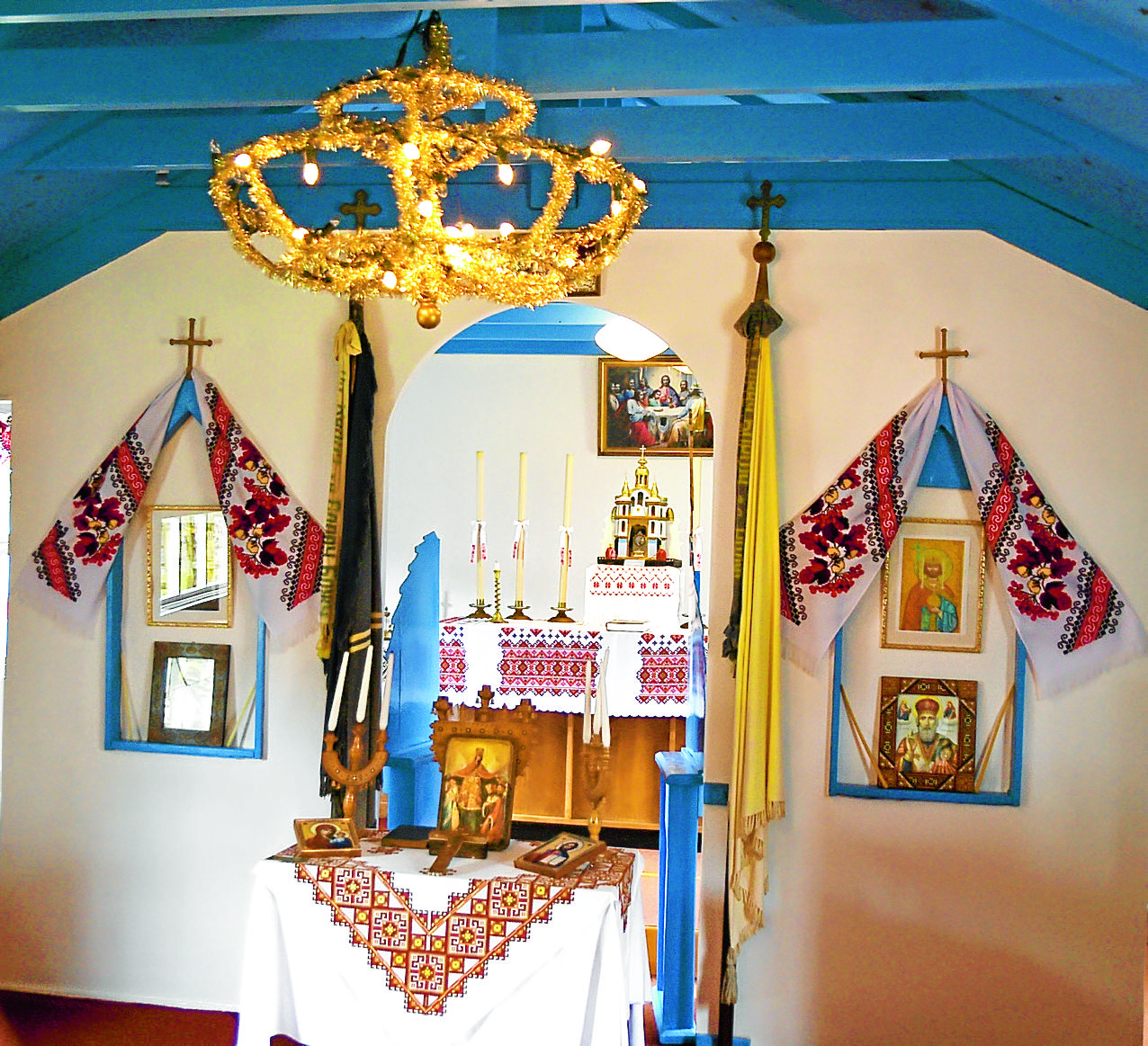


HALLMUIR Chapel and cultural hub remain vitally important to Ukrainians in Dumfries and Galloway and across Scotland. The two pre-fabricated huts are all that's left of a WWII POW camp, located less than two miles south west of Lockerbie. And the buildings still open on the last Sunday of the month at 1 pm. Peter Kormylo's dad, Michael, was one of the 463 Ukrainian men who arrived at Hallmuir POW Camp in 1947. Upon their release in 1951, many were unwilling to return to the Soviet Union, and dozens found employment and started families in Dumfriesshire. Peter remains an active member of the Hallmuir Trust. He said: “I do a PowerPoint presentation on the history of the camp where I use all the photos I have collected from over the years. Entry is free, and everyone is welcome.” The grade B listed hut is one of only two surviving WWII POW chapels in Scotland, the other being an Italian chapel in Orkney. Should any Ukrainian refugees decide to settle in this part of Scotland, Peter hopes some of them will take over the running of Hallmuir POW Chapel. He added: “The building is in a transition at the moment, I need to hand it over to some younger people. “If some Ukrainians stay here, I’m sure some of them will want to reach out and take the baton. “They used to call the camp – a little part of Ukraine in Scotland. There used to be a lot of people who came to the regular mass here. “(Although) not all Ukrainians are Greek Catholics, most are Orthodox."

Related News