

2 year wait for a home
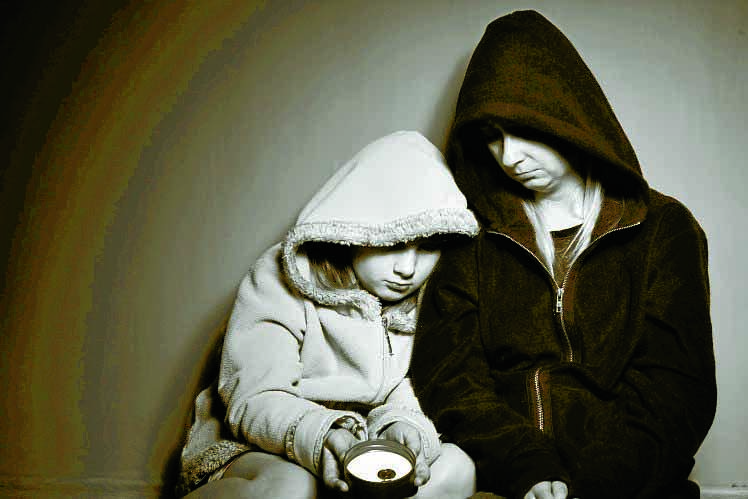


A HOMELESS family spent 830 days in temporary accommodation because Dumfries and Galloway Council could not provide them a home.
The next longest recorded individual stay was 756 days – two years and 26 days – according to official figures dated up to March 31, 2025.
Meanwhile, the local authority’s reliance on putting homeless people up in hotels resulted in a £1.45m bill in 2024/25 – a staggering rise of 626 per cent over the last two years.
North West Dumfries councillor Paula Stevenson, who first called on the council to declare a housing emergency 18 months ago, described the current situation as “shocking”.
She said: “The reasons for homelessness can be extremely complex, and where it won’t solve all the problems, new homes can help reduce this number.
“Behind these figures are families who have lost homes and left behind communities they were invested in.
“We shouldn’t be in a position where members of our community don’t have a place to call their own, are stuck in unsuitable accommodation and as seen in these figures many are stuck there for long periods of time.
“Proper long term guaranteed investment from the Scottish Government for new housing would reduce this problem whilst also guaranteeing work and a chance for new apprenticeships.”
The local authority has a duty to provide temporary accommodation to any adult resident presenting as homeless, but a severe shortage of houses coupled with a growing backlog of people on the homeless list has led to a crisis locally.
A freedom of information (FOI) request has revealed how the situation has gone from bad to worse:
In 2022/23, there were 625 households placed in temporary accommodation, but this year that figure increased to 669.
To fulfil its duties, the council has used hotels or furnished accommodation. They were asked the average length of stay in each type over the last three years.
In 2024/25: Housing association/RSL property – 124 days; private sector lease – 116 days; women’s refuge – 93 days; hotel – 17 days; and other placements by authority – 101 days.
Excluding hotel stays, these length of stay figures are a slight improvement on the situation two years ago.
In 2022/23, this practice of paying for alternative accommodation cost the council £200,035 for hotel bills and £1,284,732 in fees for the furnished accommodation.
However, last year these costs skyrocketed to £1,451,680 for hotels and £1,398,271 for furnished accommodation.
Councillors and officers have been working on a masterplan to ease the crisis, but with numerous other councils also declaring housing emergencies, there have been calls for more investment from the Scottish Government to tackle this issue.
A spokesperson for Dumfries and Galloway Council said: “The noted increase in hotel accommodation costs reflects unprecedented demand for temporary accommodation in recent years.
“In 2023/24, demand rose sharply, and in June 2024 the council declared a housing emergency due to high demand, slower availability of permanent housing and a shrinking private rented sector.
“As a stock transfer authority, we rely on registered social landlords for properties we can lease for temporary accommodation. Unfortunately, the slowdown in permanent lets means additional leased properties have not been available, leaving hotels as the only option to meet our statutory duty. While costs have risen, we have worked hard to secure hotel accommodation on a value-for-money basis.
“The longest stays recorded are related to households requiring highly specialised accommodation, such as large family homes or properties adapted for disability needs. There is a severe shortage of these types of homes locally, which can lead to extended stays in temporary accommodation.
“Despite these challenges, Dumfries and Galloway Council has never failed in its duty to provide emergency accommodation, ensuring that no one presenting as homeless in our region has had to sleep rough.”
Related News